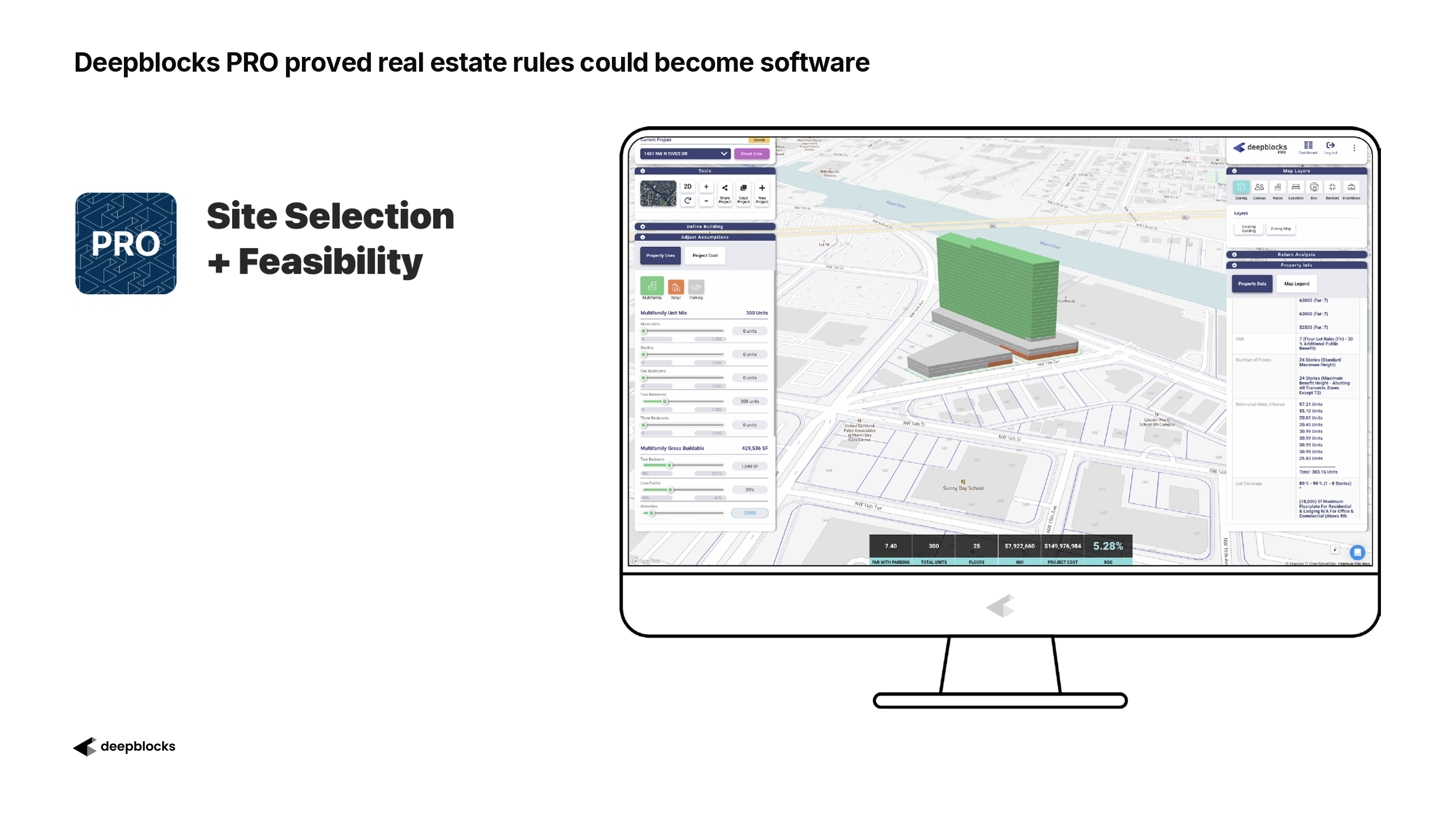

How AI Coding Tools Are Changing Real Estate Software Development
In 2025, AI became much more than a chat window in my workflow.
For a long time, using AI for software felt like asking a question, copying a code snippet, pasting it somewhere else, and hoping it worked. That was useful, but it was still disconnected from the actual build process.
Then AI moved into the codebase.
That distinction matters.
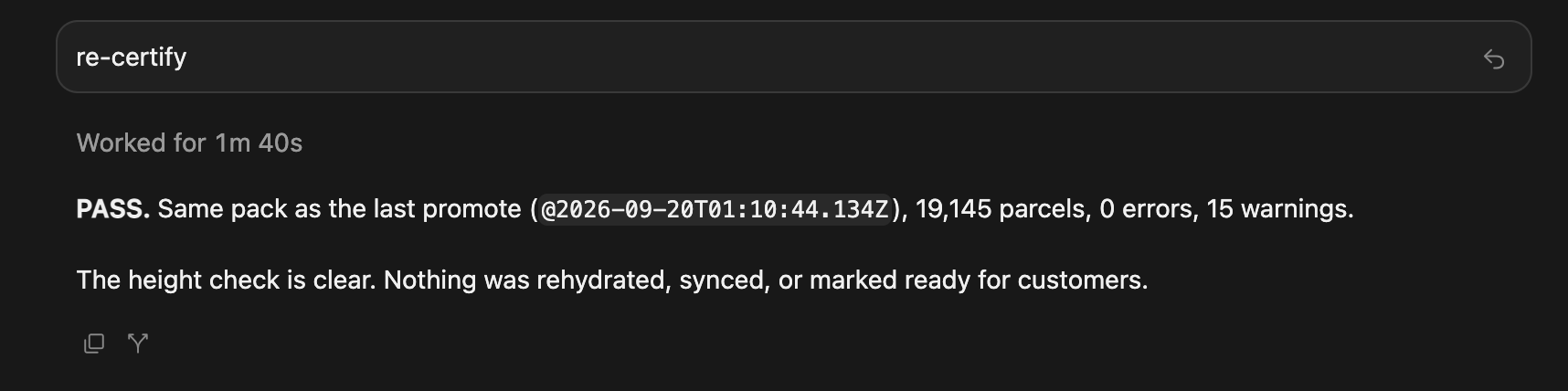
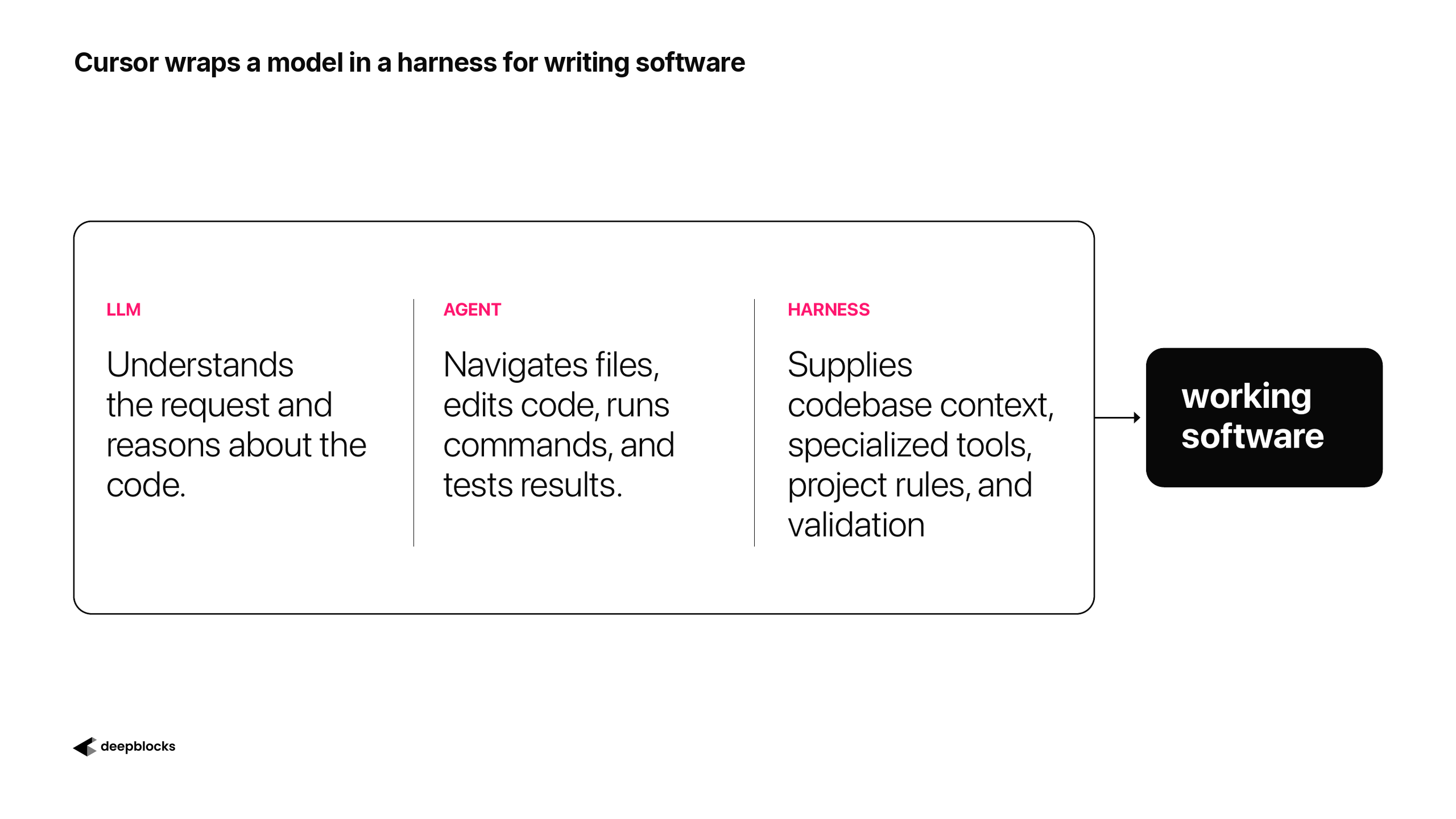
With platforms like Cursor, the interaction changes. Instead of asking an AI for isolated code, you can work with AI inside the software environment. The AI can understand files, reason across the project, propose changes, edit code, and help move the build forward.
For real estate experts, this is a very big deal.
Why Real Estate Experts See the Software Problem First
In real estate, the expert usually sees the problem before the software team does.
The real estate analyst knows where the spreadsheet breaks.
The architect knows where the feasibility model becomes too abstract.
The developer knows which zoning rule matters in theory but fails in practice.
The broker knows which data point looks clean but is actually misleading.
But historically, seeing the problem was not the same as being able to build the tool.
The Translation Gap Between Industry Experts and Engineers
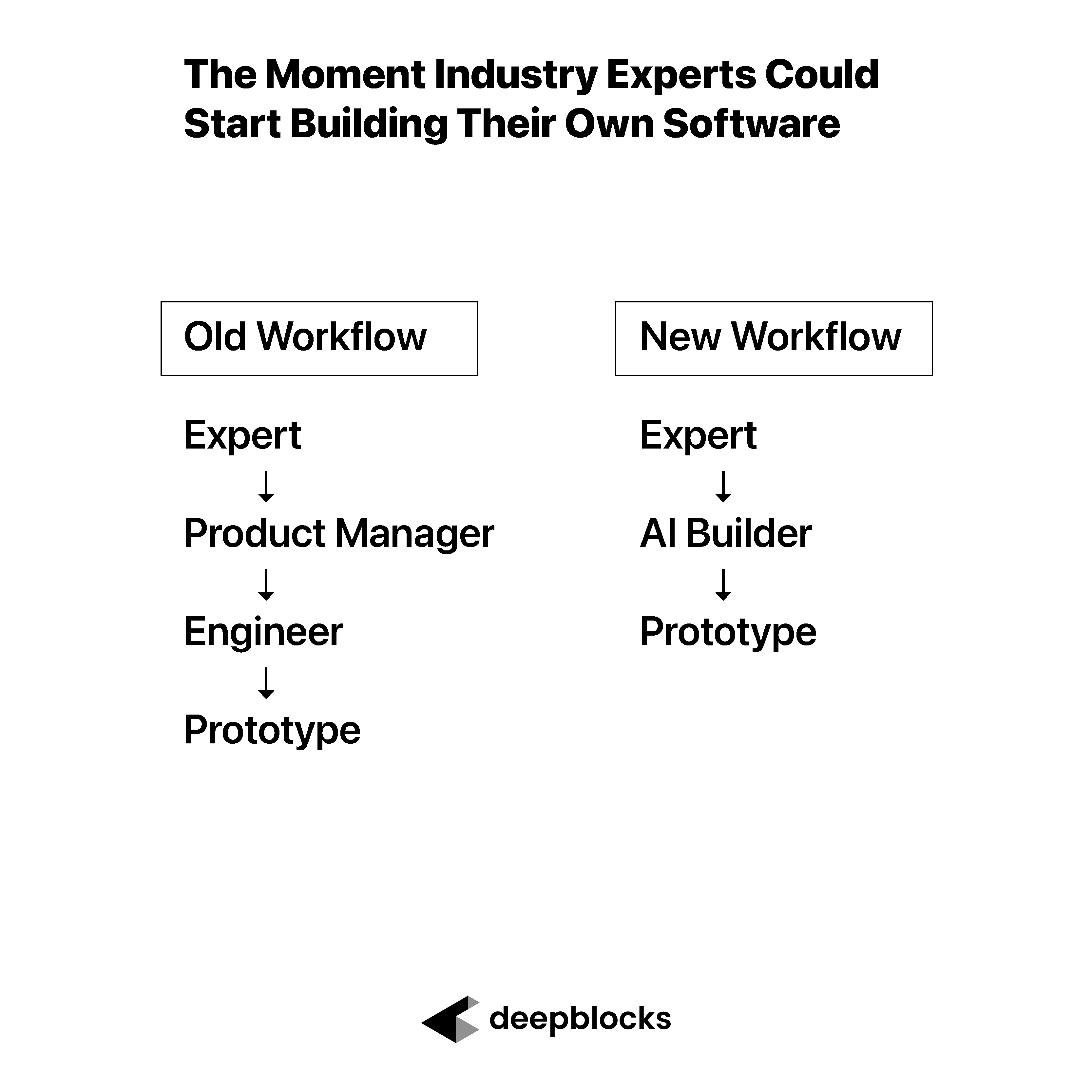
For decades, an industry expert who wanted to build software needed an engineer, a product manager, a budget, a team, and months of translation.
The expert had to explain the industry, the edge cases, the outputs, the workflows, the assumptions, and the definition of success.
That translation layer is expensive.
It is especially expensive in real estate, where every workflow carries local context. Zoning, land use, parking, density, construction cost, financing assumptions, entitlement risk, and market judgment are not generic software requirements. They are domain-specific decisions.
How AI Coding Tools Let Experts Prototype Earlier
AI coding tools do not mean every real estate professional suddenly becomes a software company.
They mean the first version of a tool is no longer completely locked behind a technical team.
A motivated expert can now prototype earlier. They can test a concept. They can validate a workflow. They can see whether an idea is worth more investment before assembling a full engineering process.
That changes the power dynamic.
The expert is no longer only the person describing the problem.
The expert can become the person shaping the solution.
What This Means for Real Estate Software Development
This does not remove the need for engineers.
It changes when and how engineering enters the process.
Engineers still matter deeply for architecture, scale, security, performance, integrations, infrastructure, testing, and long-term maintainability. But AI coding tools allow the real estate expert to get closer to the first build.
That is the real shift.
AI is not replacing domain expertise.
It is giving domain expertise a faster path to software.